
A Toastmaster Wears Many Hats
Toastmasters is renowned for its supportive environment that fosters the development of communication and leadership skills. Within a Toastmasters club meeting, members are given the opportunity to step into various roles, each designed to enhance their abilities and provide a well-rounded experience. Let’s explore these roles and the unique responsibilities that come with each.
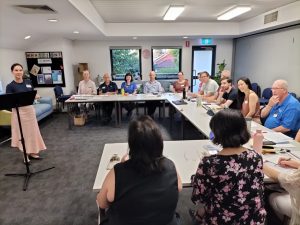
Mount Hawthorn Toastmasters Club
The Speaker
At the heart of every Toastmasters meeting is the Speaker, the individual who presents a prepared speech. This role is an excellent opportunity for members to share ideas, personal stories or lessons learned. Whether delivering a persuasive speech or a heartfelt narrative, the Speaker practices structuring their message, engaging the audience and refining their delivery style.
The Evaluator
The Evaluator plays a critical role in the growth of the Speaker. This member provides constructive feedback on the speech, focusing on strengths and areas for improvement. The Evaluator’s task is to deliver insightful critiques while encouraging the Speaker, fostering an atmosphere of support and growth. This role hones listening skills and the ability to articulate feedback clearly and compassionately.
The Timer
The Timer ensures that the meeting runs smoothly and stays within the allotted time. This role involves tracking the duration of speeches and other segments, signalling the Speaker when their time is nearing completion. By managing time effectively, the Timer contributes to a well-organised meeting, allowing all participants to have their share of the spotlight.
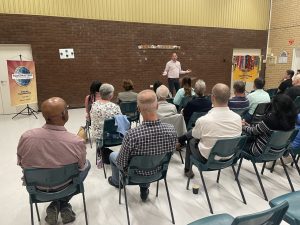
Stirling Toastmasters Club
Table Topics Master
The Table Topics Master introduces an element of spontaneity to the meeting. This member creates a segment where impromptu speaking is encouraged, asking questions that prompt participants to speak on a variety of topics for a limited time. This role helps members think quickly and articulate their thoughts under pressure, a valuable skill in everyday communication.
Table Topics Speaker
As a participant in the Table Topics segment, the Table Topics Speaker has the chance to showcase their ability to speak without preparation. This role allows members to practice quick thinking and express their ideas in a concise and engaging manner, further building their confidence.
Toastmaster
The Toastmaster of the meeting serves as the host, guiding the flow of the event and introducing each segment and speaker. This role requires organisational skills and the ability to engage the audience, setting the tone for the meeting. The Toastmaster ensures that the meeting remains interactive and enjoyable for all attendees.
Grammarian
The Grammarian is responsible for promoting good language use throughout the meeting. This member tracks the usage of grammar, vocabulary and speech techniques, providing feedback on both strengths and areas needing improvement. This role emphasises the importance of language in effective communication.
Ah-Counter
The Ah-Counter keeps track of filler words such as ‘um,’ ‘ah’ and ‘you know.’ By providing feedback, the Ah-Counter helps members become more aware of their speech habits, encouraging them to speak more fluently and confidently.
Introducer
The Introducer plays a vital role in setting the stage for speakers. This member provides brief biographies of speakers, offering context to the audience and highlighting their accomplishments. This role not only enhances the Speaker’s credibility but also engages the audience right from the start.
In conclusion, each role in a Toastmasters meeting is an opportunity for personal growth and skill development. By stepping into these various hats, members foster a culture of learning, support and camaraderie, ultimately becoming more effective communicators and leaders. Whether you are a seasoned member or just starting, embracing these roles can significantly enhance your Toastmasters experience.