
The Essential Elements of a Good Speech
Imagine standing in front of an audience, the weight of their expectations hanging in the air. ‘What if I told you that the words you choose can change lives?’ This rhetorical question sets the stage for a powerful message. An attention-grabbing opening is crucial; it can be a striking quote, a surprising statistic or a poignant anecdote. For instance, consider this quote by Maya Angelou:
‘People will forget what you said, people will forget what you did, but people will never forget how you made them feel.’
This encapsulates the essence of effective communication and primes your audience for the journey ahead.
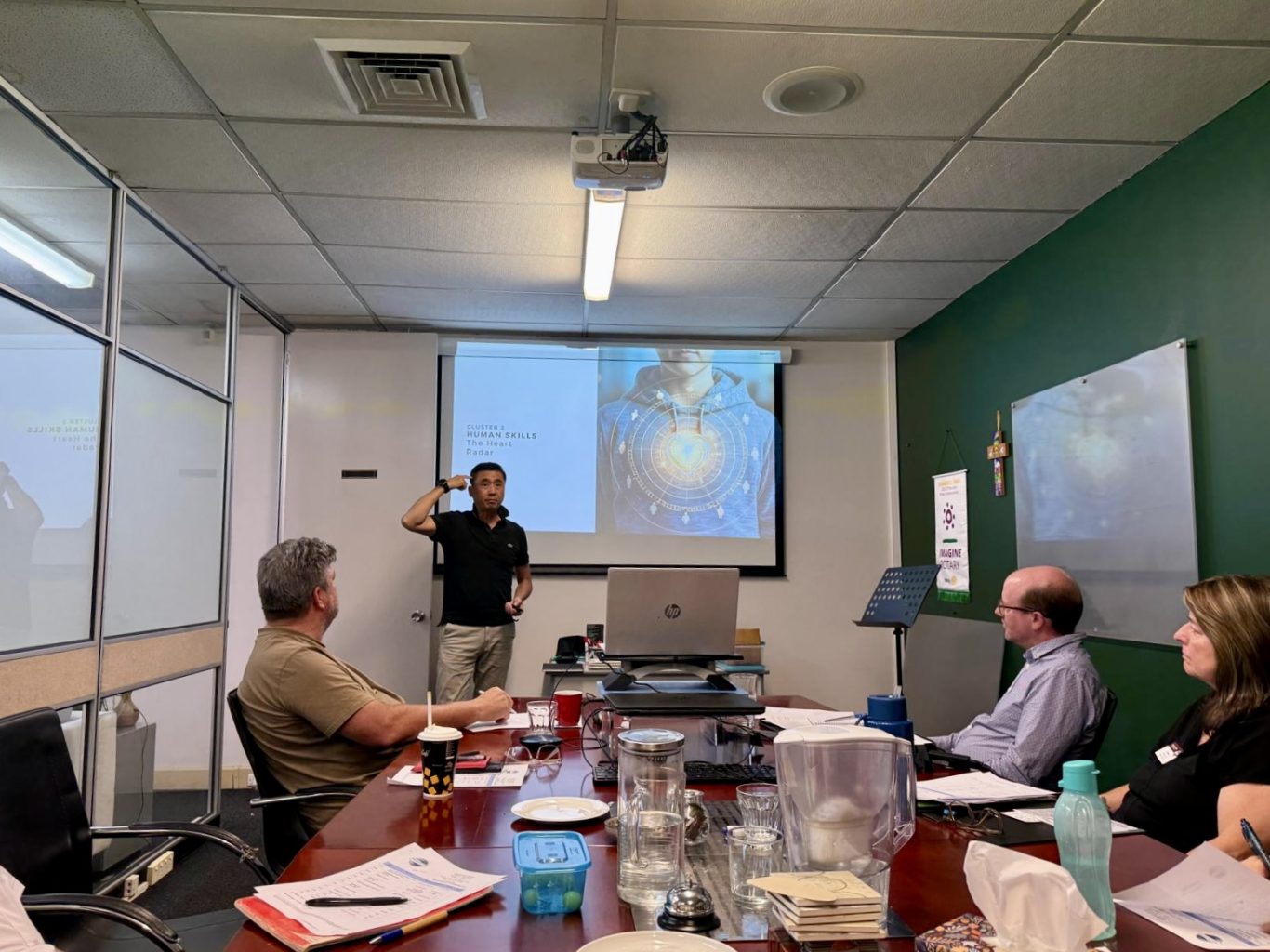
Jon Lee, WA Speakers’ Bureau
Structure and Substance
A well-structured speech consists of three main points, each supported by relevant examples that resonate with the audience. The past, present and future framework can guide your points, creating a narrative that is both engaging and informative.
The Power of Storytelling
In the past, storytelling was the primary means of sharing knowledge. Consider how ancient cultures used oral traditions to pass down wisdom. Today, storytelling remains a potent tool. For instance, think of how a simple story about overcoming adversity can inspire and connect with listeners, making them feel understood and motivated.
The Importance of Authenticity
Moving to the present, authenticity is key in communication. An audience can sense insincerity. Share a personal anecdote that illustrates vulnerability, perhaps a time when you faced failure. This not only humanises you but also encourages your audience to embrace their own imperfections, fostering a deeper connection.
Envisioning the Future
Looking toward the future, a motivational speech should ignite a sense of possibility. Paint a vivid picture of what could be achieved if the audience acts. For instance, challenge them to envision a world where they pursue their passions relentlessly, making a tangible impact. This creates a powerful call to action, urging them to step out of their comfort zones.
Evoke Thought and Call to Action
A speech should resonate long after the last word is spoken. Summarise your key points without introducing new material, reinforcing the message of storytelling, authenticity, and future potential. Encourage your audience to reflect on their own narratives and how they can harness their stories for change.
As you step away from the podium, leave them with a thought-provoking statement: ‘What story will you choose to tell, and how will it shape the future?’ This not only stimulates introspection but also serves as a rallying cry, motivating your audience to act.
Preparation and Delivery
Good preparation is as vital as the content itself. Practice your speech in front of a mirror, honing your timing, gestures, and voice control. Aim for 5-7 minutes of engaging delivery, ensuring each word and pause serves a purpose. Use colourful language to paint vivid images in the minds of your listeners. Sincerity shines through when you genuinely believe in your message, making your speech not just a presentation but an experience that resonates with the heart.
With these essential elements, you can craft a compelling speech that not only informs but also inspires, leaving your audience eager to embrace the journey ahead.